
Homemade cinnamon rolls are the kind of breakfast treat that makes an ordinary morning feel special. These soft, fluffy rolls are filled with buttery brown sugar and fragrant cinnamon, then finished with a smooth cream cheese frosting that melts beautifully over the warm spirals. Every bite brings together tender dough, a sweet cinnamon filling, and a creamy topping for that classic bakery-style flavor.

Making cinnamon rolls from scratch takes a little patience, but the process is straightforward and rewarding. Instant yeast helps the dough rise, while whole milk, butter, and an egg contribute to its rich, tender texture. The cinnamon-sugar filling creates those irresistible swirls throughout each roll, and the homemade frosting adds the perfect finishing touch. Serve them fresh for breakfast, brunch, or an afternoon treat with your favorite cup of coffee.
Why You’ll Love This Recipe
- Soft and fluffy texture: The enriched dough creates tender rolls with a pillowy interior and a satisfying spiral in every slice.
- Classic cinnamon-sugar filling: Brown sugar, softened butter, and ground cinnamon combine to create a sweet, warmly spiced center.
- Cream cheese frosting: The smooth frosting balances the sweetness of the filling with a rich, creamy finish and a hint of vanilla.
- Perfect for sharing: These homemade cinnamon rolls are ideal for weekend breakfasts, holiday brunches, and family gatherings.
- Made with familiar ingredients: All-purpose flour, yeast, sugar, butter, milk, and a few pantry staples are all you need to get started.
- A wonderful make-ahead option: You can prepare parts of the recipe in advance to make serving fresh cinnamon rolls more convenient on a busy morning.
Preparation and Tools
Before starting, measure your ingredients and allow the refrigerated ingredients to reach the temperatures specified in the recipe. The egg should be at room temperature, and the butter and cream cheese used for the frosting should be softened so they blend smoothly.
You’ll need a large mixing bowl, measuring cups and spoons or a kitchen scale, a small saucepan, a sturdy spoon or dough scraper, a rolling pin, a sharp knife or unflavored dental floss, and a baking dish. An electric mixer with a dough hook can make kneading easier, although the dough can also be kneaded by hand.
Keep a little extra flour available from the measured flour range, but avoid adding too much. The dough should become soft and workable rather than stiff. You’ll also need a separate bowl for combining the filling ingredients and another for preparing the cream cheese frosting.
Preparation Tips for the Best Homemade Cinnamon Rolls
Measure the flour carefully. The recipe calls for 4–5 cups (520–650 g) of all-purpose flour, spooned and leveled. Because flour can become compacted in a measuring cup, weighing it is the most reliable way to get a consistent result. Start with the lower amount and add more gradually only if the dough needs it.
Pay attention to the butter temperature. The butter for the dough is melted with the milk and water, while the filling requires very soft butter that spreads easily. The butter for the frosting should be at room temperature. Keeping these uses separate helps each component develop the intended texture.
Let the dough guide you. Yeast dough can feel slightly sticky at first. Knead it until it becomes smoother and more elastic, adding flour sparingly if it is too difficult to handle. Too much flour can make the finished rolls dense instead of soft.
Allow enough time for rising. Yeast needs time to develop the dough’s airy texture. Rising time depends on room temperature and the dough itself, so look for a visibly expanded dough rather than relying exclusively on the clock.
Prepare the filling for easy spreading. The 85 g of very soft butter should spread across the rolled-out dough without tearing it. Mix the brown sugar and cinnamon evenly so the filling is distributed throughout the rolls.
Ingredients for Homemade Cinnamon Rolls
Each ingredient has a specific role in creating the soft dough, flavorful filling, and creamy frosting.
For the Dough
- All-purpose flour: The foundation of the rolls, providing structure. The recipe allows 4–5 cups (520–650 g), giving you flexibility to achieve the right dough consistency.
- Granulated sugar: Adds sweetness to the dough and complements the richer filling.
- Instant yeast: Helps the dough rise and develop its light, fluffy texture.
- Salt: Balances the sweetness and brings out the flavors of the other ingredients.
- Water and whole milk: The liquid ingredients hydrate the flour. Whole milk also contributes richness and tenderness.
- Unsalted butter: Adds flavor and softness to the dough.
- Large egg: Contributes richness and helps create a tender, cohesive dough.
For the Cinnamon Filling
- Unsalted butter: The very soft butter creates a base for the filling and helps the sugar and cinnamon adhere to the dough.
- Brown sugar: Packed brown sugar provides sweetness and a deeper flavor than granulated sugar alone. Light or dark brown sugar works.
- Ground cinnamon: Gives the rolls their signature warm aroma and recognizable cinnamon flavor.
For the Cream Cheese Frosting
- Full-fat block cream cheese: Creates a thick, creamy frosting with a pleasantly tangy flavor.
- Unsalted butter: Adds richness and helps the frosting become smooth and spreadable.
- Powdered sugar: Sweetens the frosting and gives it a soft, creamy consistency.
- Pure vanilla extract: Adds a warm aroma that complements the cinnamon and cream cheese.
How to Make the Best Homemade Cinnamon Rolls
1. Prepare the Dough Ingredients
Measure the water, whole milk, butter, sugar, yeast, salt, flour, and egg before beginning. Cut the 60 g portion of dough butter into four slices so it melts more easily.
Combine the water, milk, and sliced butter in a small saucepan and warm the mixture gently until the butter melts. Avoid overheating the liquid, as excessive heat can damage the yeast when the ingredients are combined. Let the mixture cool until it is comfortably warm rather than hot.
2. Mix and Knead the Dough
Combine the warm liquid mixture with the granulated sugar and instant yeast. Add the salt, egg, and flour, beginning with the lower amount of flour specified in the recipe.
Mix until a dough forms, then knead until it becomes smoother and more elastic. Add more flour gradually as needed, staying within the recipe’s 4–5 cup range. The dough should be soft and manageable without becoming excessively dry.
If kneading by hand, work on a lightly floured surface. If using a stand mixer, use the dough hook and follow the mixer’s recommended speed for yeast dough. Avoid adding flour simply because the dough feels slightly tacky; a little moisture helps produce tender rolls.
3. Let the Dough Rise
Place the dough in a suitable bowl and cover it to prevent the surface from drying out. Leave it in a comfortably warm, draft-free place until it has visibly expanded.
The exact rising time depends on the room temperature and yeast activity. Check the dough’s appearance instead of assuming it will be ready at a precise minute. Once it has risen sufficiently, it should look fuller and feel lighter than when first mixed.
4. Make the Cinnamon-Sugar Filling
While the dough rises, prepare the filling. Combine the packed brown sugar and ground cinnamon in a bowl, mixing until the cinnamon is evenly distributed.
Keep the 85 g of unsalted butter very soft so it spreads easily over the dough. If the butter is too firm, it may drag across the surface and tear the dough. If it is melted, the filling may become harder to control during assembly.
Once the dough is ready, prepare your rolling surface and keep the filling nearby so you can work efficiently.
5. Roll Out and Fill the Dough
Turn the risen dough onto a lightly floured surface and roll it into a broad rectangle. Aim for an even thickness so the rolls bake consistently.
Spread the very soft butter across the dough, leaving the surface evenly coated. Sprinkle the brown sugar and cinnamon mixture over the butter, distributing it as uniformly as possible.
Roll the dough into a log, keeping the spiral reasonably tight without squeezing out the filling. Cut the log into individual rolls using a sharp knife or unflavored dental floss. Arrange the rolls in a suitable baking dish, allowing room for them to expand.
6. Allow the Rolls to Rise Again
Cover the shaped rolls and leave them to rise until they look noticeably puffy. This second rise helps create a soft interior and gives the rolls their characteristic rounded shape.
Avoid rushing this stage. If the rolls are placed in the oven before they have expanded sufficiently, they may turn out denser than expected. At the same time, avoid leaving them unattended for too long in a very warm room, where the dough can overproof.
7. Bake Until Set and Lightly Golden
Bake the rolls according to the original recipe’s specified oven temperature and baking time. Watch for a lightly golden surface and centers that appear set rather than wet or doughy.
The exact baking time depends on the size of the rolls, the baking dish, and the oven. If the tops begin browning before the centers appear done, check the rolls carefully rather than judging their doneness by color alone.
Let the baked rolls rest briefly while you prepare the frosting. They should remain soft and warm, making them an ideal base for the creamy topping.
8. Make the Cream Cheese Frosting
Place the room-temperature cream cheese and butter in a bowl. Beat until smooth, then add the powdered sugar and vanilla extract. Continue mixing until the frosting is creamy and free of large lumps.
If the cream cheese or butter is too cold, the frosting may remain uneven or lumpy. Allowing both ingredients to soften before mixing makes it easier to achieve a smooth consistency without adding extra ingredients.
9. Frost and Serve
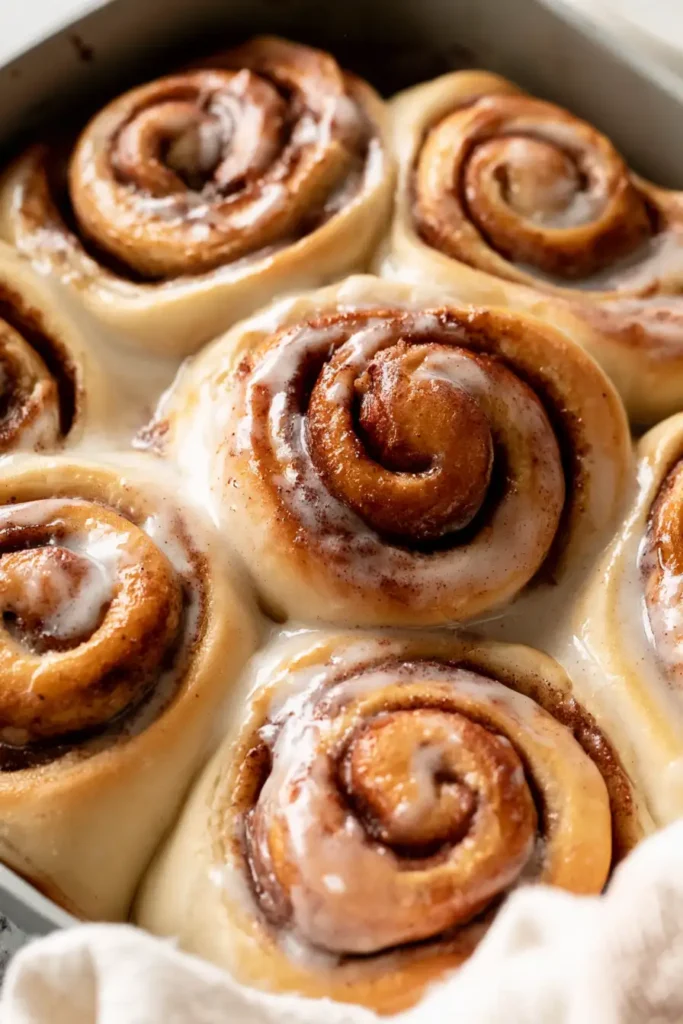
Spread the cream cheese frosting over the warm cinnamon rolls. The gentle warmth helps the frosting soften and settle into the cinnamon swirls without immediately disappearing into the rolls.
Serve while fresh for the softest texture and the fullest cinnamon aroma. If you prefer a thicker layer of frosting on top, let the rolls cool slightly before spreading it so the topping stays more distinct.
What to Serve With the Best Homemade Cinnamon Rolls
These homemade cinnamon rolls are delicious on their own, but pairing them with a few simple sides can turn them into a complete breakfast or brunch.
- Freshly brewed coffee: The slightly bitter flavor of coffee balances the sweetness of the brown sugar filling and cream cheese frosting.
- Hot tea: Black tea, chai, or a mild herbal tea makes a comforting pairing, especially on a cool morning.
- Fresh fruit: Serve the rolls with strawberries, blueberries, orange slices, or apple wedges for a refreshing contrast to the rich pastry.
- Scrambled eggs: Fluffy eggs provide a savory option for a more substantial breakfast spread.
- Crispy breakfast potatoes: Seasoned roasted or pan-cooked potatoes complement the sweet rolls when you’re serving brunch to family or guests.
- A glass of cold milk: Milk is a simple, classic accompaniment that works especially well with the cinnamon-sugar filling.
For a special brunch, arrange the cinnamon rolls on a serving platter with fresh fruit, coffee, and a savory breakfast dish. The combination offers different flavors and textures without requiring an elaborate menu.
Storage Instructions
How to Store Cinnamon Rolls at Room Temperature
Because these rolls are topped with cream cheese frosting, refrigeration is the safest choice for storing leftovers. If you plan to serve them shortly after baking, keep them covered while they cool and serve them fresh. Avoid leaving cream cheese-frosted rolls at room temperature for extended periods.
How to Refrigerate Homemade Cinnamon Rolls
Place leftover cinnamon rolls in an airtight container and refrigerate them for up to 3–4 days as a practical guideline. Store them once they have cooled sufficiently, rather than sealing them while piping hot, which can create excess condensation.
The refrigerator may firm up the dough and frosting. To serve, warm an individual roll briefly in the microwave until soft and gently warmed through. Start with a short interval and add more time as needed, since overheating can make the dough tough. You can also allow a roll to sit out briefly before serving, provided you follow safe food-handling practices for the cream cheese frosting.
Can You Freeze Cinnamon Rolls?
Yes. For the best texture, freeze the rolls in an airtight, freezer-safe container. You can freeze them individually for convenient portions or package several together.
For easier storage, freeze the rolls without frosting if you know in advance that you will be saving some for later. Wrap them well to protect against freezer burn, and use within about 2–3 months for good quality. Thaw them in the refrigerator, then warm them gently before adding freshly prepared frosting.
If your rolls are already frosted, you can still freeze them, although the cream cheese topping may change texture slightly after thawing. Allow frozen rolls to thaw safely in the refrigerator and reheat gently if desired.
Can You Make Cinnamon Rolls Ahead?
You can prepare the dough and shape the rolls in advance, making this recipe easier to serve for breakfast. Arrange the filled and cut rolls in their baking dish, cover them, and refrigerate them overnight if your timing and dough development allow.
The following morning, assess the rolls before baking. They may need additional time at room temperature to become puffy, depending on how much they rose in the refrigerator. Avoid baking them straight from the refrigerator without checking their readiness.
For the best results, prepare the frosting separately and refrigerate it in an airtight container. Let it soften enough to spread before serving.
Estimated Nutrition
The nutritional values for these homemade cinnamon rolls depend on the amount of flour used, the final yield, the size of each roll, and how evenly the frosting is distributed.
For planning purposes, a roll made with these ingredients may contain approximately 400–500 calories per serving, assuming the recipe makes around 12 rolls. This is only a rough estimate, not a laboratory-verified nutritional analysis.
The rolls contain carbohydrates from flour and sugar, fat from butter and cream cheese, and some protein from the flour, egg, and dairy ingredients. The cream cheese frosting and cinnamon filling contribute a substantial portion of the overall energy content.
For a more accurate estimate, calculate the nutrition using the precise amount of flour used, the finished number of rolls, and the nutrition information on your ingredient labels.
Frequently Asked Questions
Why didn’t my cinnamon roll dough rise?
Several factors can affect rising, including liquid that is too hot, inactive yeast, a cold room, or insufficient rising time. Make sure the liquid is comfortably warm before mixing it with the yeast and give the dough enough time to expand. If the room is cool, rising may take longer than expected.
How do I keep homemade cinnamon rolls soft?
Avoid adding excessive flour during mixing and kneading. The dough should remain soft and slightly tacky rather than stiff. Allow the rolls to rise properly before baking, and avoid baking them longer than necessary. Once cooled, store leftovers in an airtight container in the refrigerator because of the cream cheese frosting.
Can I use light or dark brown sugar?
Yes. The recipe specifically allows either light or dark brown sugar. Light brown sugar gives the filling a milder caramel-like flavor, while dark brown sugar generally provides a deeper molasses note. Both work well with ground cinnamon and butter.
Can I make the frosting without an electric mixer?
Yes. A sturdy whisk or wooden spoon can work, especially when the cream cheese and butter are fully softened. Mix the cream cheese and butter until smooth before gradually incorporating the powdered sugar and vanilla. An electric mixer simply makes the process easier and faster.
Why did the filling leak out of my cinnamon rolls?
Some filling leakage is normal as the butter and sugar warm during baking. However, excessive leakage can happen when the dough is rolled too loosely, the filling is unevenly distributed, or the butter is melted rather than very soft. Roll the dough into a neat log and cut the individual rolls carefully to help keep the filling inside.
Can I reheat cinnamon rolls without drying them out?
Yes. Reheat one roll at a time in the microwave using short intervals until it is warm and soft. Avoid prolonged heating, which can make the dough rubbery or dry. If you are reheating several rolls, cover them with a suitable microwave-safe cover to help retain moisture.
A Sweet Homemade Breakfast Worth Sharing
The best homemade cinnamon rolls combine soft, enriched dough with a buttery cinnamon-sugar filling and smooth cream cheese frosting. Although they take time to rise, the preparation is manageable when you work through each stage patiently. Serve them warm for breakfast or brunch, or save a few for a comforting treat later in the week.
Once you become familiar with the dough and shaping process, these cinnamon rolls can become a welcome addition to weekend mornings, holiday tables, and family gatherings.
Print
BEST Homemade Cinnamon Rolls
- Total Time: 1 hour
- Yield: 12 rolls 1x
- Diet: Vegetarian
Description
These BEST homemade cinnamon rolls feature soft, fluffy dough swirled with buttery brown sugar and cinnamon, finished with a smooth, creamy vanilla cream cheese frosting. A delicious choice for breakfast, brunch, or a homemade sweet treat.
Ingredients
- 4–5 cups (520g-650g) all-purpose flour, spooned and leveled
- 1/4 cup (50g) granulated sugar
- 2 1/4 teaspoons (1 package) instant yeast
- 1/2 teaspoon salt
- 3/4 cup (180mL) water*
- 1/2 cup (120mL) whole milk
- 1/4 cup (60g) unsalted butter, cut into 4 slices
- 1 large egg, at room temperature
- 6 tablespoons (85g) unsalted butter, very soft
- 3/4 cup (150g) packed brown sugar, light or dark
- 1 1/2 tablespoons ground cinnamon
- 4 oz (115g) full fat block cream cheese, room temperature
- 5 tablespoons (70g) unsalted butter, room temperature
- 1 1/2 cups (195g) powdered sugar
- 1 teaspoon pure vanilla extract
Instructions
- Measure all ingredients. Combine the water, whole milk, and 1/4 cup (60g) unsalted butter in a small saucepan. Warm gently until the butter melts, then allow the mixture to cool until comfortably warm.
- Combine the warm liquid mixture with the granulated sugar and instant yeast. Add the salt, room-temperature egg, and flour, starting with the lower amount of flour.
- Mix until a dough forms. Knead until smooth and elastic, adding more flour gradually as needed within the specified 4-5 cup range.
- Place the dough in a bowl, cover, and let it rise in a warm, draft-free place until visibly expanded.
- Mix the brown sugar and ground cinnamon in a small bowl.
- Turn the risen dough onto a lightly floured surface and roll it into a rectangle. Spread the very soft 85g butter evenly over the dough, then sprinkle the cinnamon-sugar mixture across the surface.
- Roll the dough into a log and cut it into individual rolls. Arrange the rolls in a baking dish, cover, and let them rise again until puffy.
- Bake according to the original recipe’s specified oven temperature and baking time, until the rolls are lightly golden and the centers are set. The original recipe’s baking temperature and duration were not provided.
- Beat the room-temperature cream cheese and 70g butter until smooth. Add the powdered sugar and vanilla extract, then mix until creamy.
- Allow the baked rolls to rest briefly, then spread the cream cheese frosting over the warm rolls. Serve fresh.
Notes
- Start with the lower amount of flour and add more gradually to avoid making the dough too dry.
- Use comfortably warm liquid rather than hot liquid when mixing the dough with the yeast.
- Allow the rolls to rise until visibly puffy; rising times vary with room temperature.
- Prep Time: 30 minutes
- Cook Time: 30 minutes
- Category: Recipes
- Method: Baked
- Cuisine: American
Nutrition
- Serving Size: 1 roll, assuming 12 rolls
- Calories: 450 kcal (estimated per roll)
- Sugar: 30 g (estimated per roll)
- Sodium: 250 mg (estimated per roll)
- Fat: 19 g (estimated per roll)
- Saturated Fat: 11 g (estimated per roll)
- Unsaturated Fat: 7 g (estimated per roll)
- Trans Fat: 0.5 g (estimated per roll)
- Carbohydrates: 63 g (estimated per roll)
- Fiber: 2 g (estimated per roll)
- Protein: 7 g (estimated per roll)
- Cholesterol: 65 mg (estimated per roll)
Keywords: BEST homemade cinnamon rolls, homemade cinnamon rolls, soft cinnamon rolls, cinnamon rolls with cream cheese frosting, brown sugar cinnamon rolls, breakfast rolls
Leave a Comment