
Harry Potter Butterbeer Cookies bring the nostalgic, buttery sweetness of the wizarding world’s favorite drink into a homemade dessert. Made with brown sugar, vanilla, butter extract, and melted butterscotch chips, these cookies capture the cozy flavor of butterbeer in a soft, rich treat. They’re a fun choice for a Harry Potter movie night, a themed birthday party, or any occasion when you want something a little more magical than ordinary cookies.
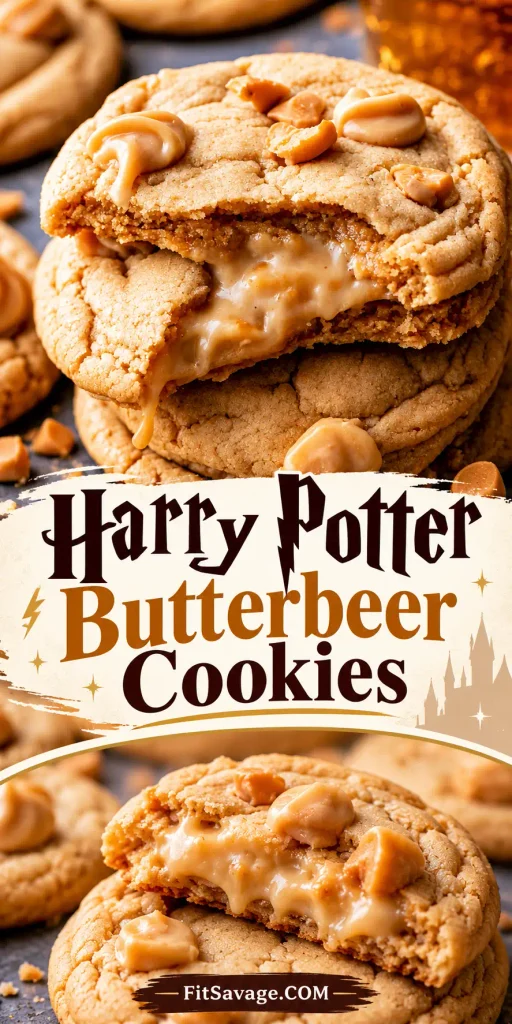
The best part is the combination of flavors and textures. The cookies feature a tender center, sweet butterscotch chips, and a creamy butterscotch frosting that adds another layer of richness. A butterbeer-inspired component made with butterscotch beer or cream soda helps bring the flavor of the famous fictional drink into the recipe. For FitSavage.com readers who enjoy creative homemade desserts, these cookies offer a delicious way to turn a familiar pop-culture favorite into something you can bake and share.
Why You’ll Love This Recipe
- Inspired by the wizarding world: These cookies are a playful tribute to Harry Potter’s beloved butterbeer, making them especially fun for themed gatherings and movie marathons.
- Rich butterscotch flavor: Brown sugar, melted butterscotch chips, vanilla, and butter extract create a sweet, buttery flavor with caramel-like notes.
- A soft, tender texture: Egg yolks and softened butter contribute richness to the dough, helping create cookies that pair beautifully with creamy frosting.
- Extra sweetness in every bite: Butterscotch chips are mixed into the dough, while the frosting adds a smooth, indulgent finish.
- Great for special occasions: Serve them at Halloween parties, fantasy-themed celebrations, holiday gatherings, or casual get-togethers with friends.
- A creative homemade dessert: The combination of cookie dough, a butterbeer-inspired component, and frosting makes these more distinctive than everyday cookies without relying on complicated decorations.
Preparation and Tools
Getting everything ready before mixing will make this recipe easier to manage. You’ll be working with cookie dough, a reduced soda or butterscotch beer mixture, melted chips, and frosting, so preparing the ingredients in advance helps keep the process organized.
You’ll need mixing bowls, measuring cups and spoons or a kitchen scale, a whisk, a hand mixer or stand mixer, a rubber spatula, a small saucepan, and a baking sheet. Parchment paper helps keep the cookies from sticking. A piping bag or offset spatula is useful for applying the frosting once the cookies have cooled.
Measure the flour carefully by spooning it into your measuring cup and leveling the top. If you use a kitchen scale, the supplied weight of 250 grams is the most straightforward measurement to follow.
Allow the butter to soften at room temperature until it is pliable but not greasy. Bring the egg yolks and heavy cream to room temperature, too. Melt the butterscotch chips gently and let them cool slightly before incorporating them into the dough or frosting.
Keep the ingredients for the cookie dough, butterbeer component, and frosting in separate groups. This makes it easier to use the correct quantities and prevents the different portions of butter and butterscotch chips from getting mixed up.
Preparation Tips for the Best Butterbeer Cookies
Use properly softened butter
The texture of the butter affects how the cookie dough comes together. Softened butter creams more easily with the sugars, creating a smooth mixture that can incorporate the egg yolks and flavorings evenly.
Butter that is too cold may leave lumps, while butter that has melted completely can change the dough’s consistency. If your butter becomes greasy while sitting on the counter, give it a little time to cool before mixing.
Melt the butterscotch chips gently
This recipe uses butterscotch chips in several ways. One portion is melted into the cookie dough, another is folded into the dough whole, and a separate portion is melted for the frosting.
Melt each portion gently, stirring as needed until smooth. Allow the melted chips to cool slightly before adding them to the butter-based mixtures. If they’re too hot, they can soften the butter excessively; if they become completely firm again, they will be harder to mix smoothly.
Choose between butterscotch beer and cream soda
The recipe lists 12 ounces (355 ml) of butterscotch beer or cream soda. Butterscotch beer provides a flavor that suits the butterbeer theme, while cream soda offers a convenient alternative with sweet vanilla-like notes.
The liquid is intended for the butterbeer component, so its preparation matters. Reducing it concentrates the flavor, but the original recipe details do not specify an exact reduction endpoint. Follow the original cooking method if you have it rather than guessing a precise volume or consistency.
Let the reduction cool before incorporating it into any butter-based mixture.
Keep the frosting smooth
Softened butter, melted butterscotch chips, powdered sugar, butter extract, and vanilla form the frosting. The temperature of the melted chips is particularly important. If they are too hot, they can make the frosting loose; if they cool too much, they may begin to solidify before mixing evenly.
Add the powdered sugar gradually to help prevent lumps and make the frosting easier to control.
Understanding the Ingredients
Each ingredient plays a specific role in the flavor, structure, or finish of these Harry Potter Butterbeer Cookies.
All-purpose flour gives the cookies their structure. Measuring the supplied 250 grams accurately helps prevent a dough that is too dry or heavy.
Baking soda and baking powder are both included to help the cookies develop their texture during baking. The salt balances the sweetness and helps bring the butterscotch flavor into focus.
Unsalted butter contributes richness to both the cookie dough and the frosting. Using unsalted butter also makes it easier to control the amount of salt in the finished dessert.
Light brown sugar and granulated white sugar provide sweetness and influence the cookies’ texture. Brown sugar adds a deeper caramel-like flavor that complements the butterscotch, while white sugar balances the mixture.
Egg yolks contribute richness and help bind the dough. Their fat content supports the tender texture that works so well with the sweet frosting.
Vanilla bean paste or extract adds familiar vanilla flavor to the cookies and frosting. It complements the butterscotch without overpowering it.
Butter extract reinforces the buttery flavor associated with butterbeer-inspired desserts. Because extracts can be concentrated, use the quantities specified in the ingredient list.
Butterscotch chips are the defining flavor ingredient. The melted chips blend into the dough and frosting, while the whole chips provide little bursts of sweetness in the cookies.
Butterscotch beer or cream soda supplies the liquid base for the butterbeer component. The accompanying softened butter, heavy cream, and pinch of salt contribute richness and balance.
Powdered sugar sweetens and thickens the frosting, helping it achieve a consistency that can be spread or piped onto cooled cookies.
How to Make Harry Potter Butterbeer Cookies
Step 1: Prepare the dry ingredients
Add the flour, baking soda, baking powder, and salt to a bowl. Whisk until the ingredients are evenly distributed, then set the bowl aside.
Prepare the remaining ingredients before starting the dough. Make sure the butter is softened, the egg yolks are at room temperature, and the melted butterscotch chips have cooled slightly.
Step 2: Cream the butter and sugars
Place the softened butter, packed light brown sugar, and granulated white sugar in a large mixing bowl. Beat until the mixture is creamy and well combined.
Scrape the sides and bottom of the bowl with a rubber spatula to incorporate any butter or sugar that has collected there.
Add the egg yolks, vanilla bean paste or extract, and butter extract. Mix until everything is incorporated into a smooth, cohesive mixture.
Step 3: Add the melted butterscotch and flour
Pour the slightly cooled melted butterscotch chips into the butter mixture. Mix until evenly incorporated.
Add the dry ingredients and mix just until the flour disappears into the dough. Avoid overmixing, as excessive mixing after the flour is added can make the finished cookies tougher.
Fold in the remaining butterscotch chips with a spatula, distributing them throughout the dough so that the cookies have a good balance of dough and chips.
Step 4: Prepare the butterbeer reduction
Pour the 12 ounces (355 ml) of butterscotch beer or cream soda into a small saucepan. Prepare the reduction according to the original recipe’s method, allowing the liquid to concentrate over the stovetop.
The supplied ingredient list does not specify a final volume or cooking time for the reduction, so those details should be confirmed from the original instructions rather than invented. Avoid reducing the liquid until it becomes a thick, hard candy-like syrup.
Allow the reduction to cool before using it. Hot liquid can soften butter and interfere with the consistency of a butter-based mixture.
Step 5: Prepare the butterbeer mixture
Combine the softened butter, heavy cream, pinch of salt, and cooled butterbeer reduction using the intended method from the original recipe.
Mix until the ingredients are combined. The butter should be soft enough to incorporate without requiring excessive mixing, and the reduction should be cool rather than hot.
Keep this component ready for the remaining preparation, following the original recipe’s specified use.
Step 6: Bake the cookies
Preheat the oven to the temperature specified in the original recipe and line a baking sheet with parchment paper.
Portion the cookie dough onto the prepared baking sheet, leaving enough room between portions for spreading. Bake according to the original method, looking for cookies with set edges and centers that are cooked through but still tender.
The supplied ingredients do not include a baking temperature, baking duration, or portion size. These details need to be confirmed before publishing a complete, reliable recipe card. Avoid substituting guessed baking instructions for the original method.
Allow the cookies to cool before adding the frosting. Frosting cookies while they’re warm can cause the topping to soften and slide off.
Step 7: Make the butterscotch frosting
Beat the softened butter and salt until smooth. Add the slightly cooled melted butterscotch chips and mix until incorporated.
Gradually add the powdered sugar, followed by the butter extract and vanilla bean paste or extract. Mix until the frosting is smooth, scraping the bowl as needed.
The frosting should be suitable for spreading or piping. If it feels too soft, allow it to stand briefly while the melted butterscotch cools further.
Step 8: Frost the cooled cookies
Once the cookies have cooled completely, spread or pipe the butterscotch frosting over the tops. Aim for an even layer that complements the cookie without overwhelming it.
Allow the frosting to settle before arranging the cookies on a serving plate. For a themed gathering, display them alongside other Harry Potter-inspired treats or serve them with a glass of cream soda.
The result is a sweet, buttery cookie with layers of butterscotch flavor, a soft center, and a creamy finish.
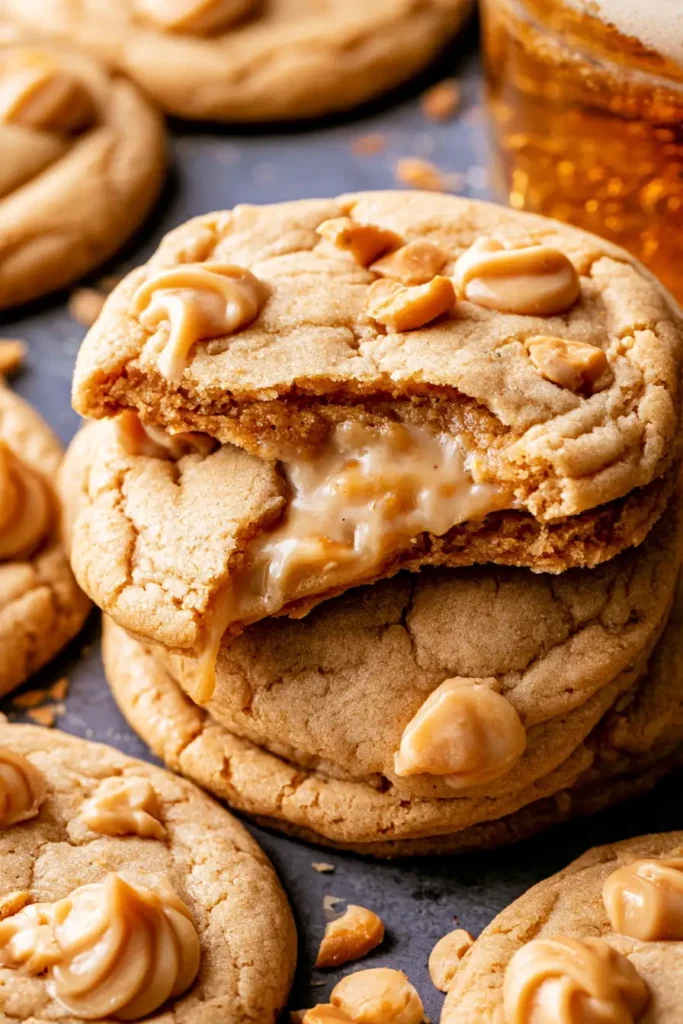
What to Serve With Harry Potter Butterbeer Cookies
These cookies are sweet, rich, and full of butterscotch flavor, so they pair especially well with drinks and snacks that complement their buttery taste.
- Cream soda: A chilled glass of cream soda echoes the vanilla-like sweetness associated with butterbeer and makes a natural companion to these cookies.
- Homemade hot chocolate: Serve the cookies with a warm mug of hot chocolate for a cozy movie-night dessert.
- Vanilla ice cream: A small scoop of vanilla ice cream offers a cool, creamy contrast to the soft cookies and butterscotch frosting.
- Fresh strawberries or raspberries: Fresh fruit adds a bright, slightly tart contrast to the cookies’ sweetness.
- Coffee or a latte: Coffee provides a pleasantly bitter counterpoint to the brown sugar and butterscotch flavors, making these cookies a lovely afternoon treat.
- A Harry Potter dessert platter: Arrange the cookies with chocolate frogs, themed cupcakes, or other homemade fantasy-inspired treats for a party spread.
For a simple presentation, place the cookies on a serving plate with cream soda in clear glasses. If you’re hosting a themed gathering, decorative serving pieces can make the dessert table feel special without requiring elaborate cookie decorations.
Storage Instructions
Storing at room temperature
Because these cookies include a butter-based frosting and a butterbeer component, the safest storage method depends on how that component is prepared and incorporated. If the finished frosting and filling are confirmed to be shelf-stable under your recipe’s formulation, store the cookies in an airtight container according to the original recipe’s guidance.
When the frosting’s storage requirements are uncertain, refrigerate the finished cookies rather than assuming they can safely sit at room temperature for several days.
Refrigerating the cookies
Place the frosted cookies in a single layer in an airtight container and refrigerate them. If you need to stack them, place parchment paper between the layers to protect the frosting.
For best quality, aim to enjoy refrigerated cookies within about 3–4 days. Let them sit briefly at room temperature before serving if you prefer a softer cookie and a less-firm frosting, while avoiding extended periods at room temperature.
Freezing the cookies
For easier storage, freeze the baked, unfrosted cookies separately from the frosting when practical. Let the cookies cool completely, arrange them in a single layer on a tray, and freeze until firm. Transfer them to a freezer-safe container or bag with parchment between layers.
For best quality, use frozen cookies within about 2 months. Thaw them in the refrigerator or at room temperature in a covered container, then prepare or apply the frosting once the cookies are fully thawed and dry on the surface.
If freezing already-frosted cookies, first check that the frosting holds its texture after freezing. Freeze them on a tray until firm before transferring them to a protective container.
Making the recipe ahead
You can organize the preparation in stages to make baking day easier. Measure the dry ingredients in advance and keep them covered. You can also prepare the butterbeer reduction ahead of time if the original recipe permits it; refrigerate it in a covered container and allow it to reach the appropriate temperature before use.
For the best appearance, frost the cookies after baking and cooling rather than decorating them while they’re still warm.
Estimated Nutrition
The nutritional values for Harry Potter Butterbeer Cookies depend on the final yield, cookie size, amount of frosting used per cookie, and how much liquid remains after reducing the butterscotch beer or cream soda.
The recipe includes butter, sugar, butterscotch chips, powdered sugar, and heavy cream, making it an indulgent dessert. Without a confirmed yield and complete cooking instructions, a reliable calorie estimate per cookie cannot be calculated accurately.
For the final FitSavage.com recipe card, the nutrition values should be estimated from the complete ingredient quantities and the confirmed number of cookies. The estimates should include calories, carbohydrates, sugar, fat, saturated fat, protein, sodium, fiber, and cholesterol per serving. These values should be labeled as estimates rather than laboratory-verified measurements.
Frequently Asked Questions
What does butterbeer taste like in these cookies?
The flavor is inspired by the sweet, buttery character associated with butterbeer. Brown sugar contributes caramel-like notes, while melted butterscotch chips add a rich sweetness. Vanilla and butter extract round out the flavor, and the frosting gives the cookies an additional creamy butterscotch finish.
Can I use cream soda instead of butterscotch beer?
Yes. Cream soda is listed as an alternative in the supplied ingredients. It offers a sweet, vanilla-like flavor that works well with the other ingredients. Follow the original recipe’s reduction method so the liquid is prepared consistently with the intended result.
Can I make the cookies without butter extract?
Butter extract contributes to the recipe’s signature buttery flavor. However, removing it will change the intended flavor profile. Vanilla extract is already included separately, so don’t automatically replace the butter extract with additional vanilla without adjusting the recipe deliberately.
Why should the melted butterscotch chips cool before mixing?
Very hot melted chips can soften the butter and alter the consistency of the cookie dough or frosting. Letting the chips cool slightly makes them easier to incorporate into the butter-based mixtures. They should remain fluid enough to mix smoothly without being hot.
When should I frost the cookies?
Wait until the cookies have cooled completely. Warm cookies can soften the frosting, making it difficult to spread evenly and potentially causing it to slide off. Cooling also helps the cookies retain their texture when decorated.
Can I freeze Harry Potter Butterbeer Cookies?
Yes, freezing the baked cookies without frosting is a practical option. Cool them completely, freeze them until firm, and store them in a freezer-safe container. Thaw before frosting. If freezing frosted cookies, keep in mind that the texture of the butterscotch frosting may change.
A Sweet Treat for Your Next Movie Night
Harry Potter Butterbeer Cookies combine buttery cookie dough, sweet butterscotch chips, and creamy frosting in a dessert inspired by one of the wizarding world’s most recognizable drinks. Serve them with cream soda, add them to a themed dessert table, or bake a batch to share with friends and family.
For publication on FitSavage.com, the remaining details to confirm are the original baking temperature, baking time, butterbeer reduction method, final cookie yield, and the precise role of the butterbeer mixture. These details will ensure the printable recipe card and nutrition estimates accurately reflect the recipe you supplied.
Print
Harry Potter Butterbeer Cookies
- Total Time: 1 hour 15 minutes
- Yield: 12 cookies 1x
Description
These Harry Potter Butterbeer Cookies feature soft, buttery cookies with brown sugar, melted butterscotch chips, and a creamy butterscotch frosting. Inspired by the magical flavor of butterbeer, they’re a fun dessert for Harry Potter movie nights, themed parties, and special occasions.
Ingredients
For the Cookies
- 2 cups (250 g) all-purpose flour, spooned and leveled
- 1/2 tsp baking soda
- 1/2 tsp baking powder
- 1/2 tsp salt
- 3/4 cup (168 g) unsalted butter, softened
- 3/4 cup (165 g) light brown sugar, packed
- 1/4 cup (50 g) granulated white sugar
- 2 egg yolks, at room temperature
- 1 tbsp vanilla bean paste or extract
- 1 1/2 tsp butter extract
- 1/4 cup (50 g) butterscotch chips, melted and slightly cooled
- 1/2 cup (100 g) butterscotch chips
- For the Butterbeer Component
- 12 oz (355 ml) butterscotch beer or cream soda
- 3 tbsp (42 g) unsalted butter, softened
- 3 tbsp (45 ml) heavy cream, at room temperature
- pinch salt
For the Butterscotch Frosting
- 1/2 cup (112 g) unsalted butter, softened
- 1/8 tsp salt
- 1/2 cup (100 g) butterscotch chips, melted and slightly cooled
- 1 cup (130 g) powdered sugar
- 1/4 tsp butter extract
- 1/2 tsp vanilla bean paste or extract
Instructions
- Whisk together the flour, baking soda, baking powder, and 1/2 teaspoon salt in a bowl. Set aside.
- Beat the softened butter, light brown sugar, and granulated sugar until creamy and well combined.
- Add the egg yolks, vanilla bean paste or extract, and butter extract. Mix until incorporated.
- Add the 1/4 cup melted, slightly cooled butterscotch chips and mix until combined.
- Add the dry ingredients and mix just until incorporated. Fold in the remaining 1/2 cup butterscotch chips.
- Prepare the butterscotch beer or cream soda according to the original butterbeer reduction method. The exact reduction endpoint and cooking time must be confirmed from the original recipe.
- Allow the reduction to cool. Combine it with the softened butter, heavy cream, and pinch of salt according to the original method for the butterbeer component.
- Preheat the oven to the temperature specified in the original recipe. Line a baking sheet with parchment paper and portion the cookie dough onto it, leaving space between portions.
- Bake according to the original recipe’s baking temperature and timing until the cookies are set and cooked through. The supplied ingredients do not specify these details.
- Allow the cookies to cool completely.
- To make the frosting, beat the softened butter and 1/8 teaspoon salt until smooth.
- Add the melted, slightly cooled butterscotch chips and mix until incorporated.
- Gradually mix in the powdered sugar, then add the 1/4 teaspoon butter extract and 1/2 teaspoon vanilla bean paste or extract. Mix until smooth.
- Frost the completely cooled cookies and allow the frosting to settle before serving.
Notes
- Let melted butterscotch chips cool slightly before adding them to the dough or frosting to avoid excessively softening the butter.
- Cream soda may be used instead of butterscotch beer, as specified in the ingredients.
- Confirm the original reduction method, baking temperature, baking time, and yield before publishing the final recipe card.
- Prep Time: 25 minutes
- Cook Time: 20 minutes
- Category: Recipes
- Method: Baked
- Cuisine: American-inspired
Nutrition
- Serving Size: 1 cookie
- Calories: 420 kcal
- Sugar: 34 g
- Sodium: 180 mg
- Fat: 25 g
- Saturated Fat: 15 g
- Unsaturated Fat: 8 g
- Trans Fat: 0.5 g
- Carbohydrates: 47 g
- Fiber: 0.5 g
- Protein: 3 g
- Cholesterol: 65 mg
Leave a Comment